
Robotic Arms / Cells for Precision Manufacturing
Selecting the right robotic arms or robotic cells is crucial when automating tasks such as assembly, welding, or material handling within your production line. RIG Automation offers a wide range of robotic solutions tailored to meet the specific operational needs of various industries. Our robotic systems optimize precision, speed, and flexibility, ensuring seamless integration into your manufacturing process.
With the increasing demand for precision manufacturing, robotic arms are more than just tools—they are integral components that drive efficiency and consistency in production lines. From automotive parts assembly to electronics and high-precision manufacturing, RIG’s robotic systems are engineered to meet the demands of modern production environments.
Key Considerations for Your Robotic System
Choosing the appropriate robotic system for your production line involves evaluating several important factors. These considerations ensure that your robotic arms or cells meet the specific needs of your tasks, improve operational efficiency, and enhance your production process.
1. Payload Capacity
One of the most critical factors when selecting robotic arms is ensuring that the system can handle the weight and size of the parts being manipulated. Payload capacity refers to the maximum load that the robot arm can safely carry without compromising its performance or accuracy.
- Ensure Safe Operations: Choosing a robotic arm with the correct payload capacity prevents overloading, which can damage the system and reduce its operational lifespan.
- Efficiency: A robot with an appropriate payload can handle heavier parts without slowing down, ensuring a smooth and uninterrupted workflow.
At RIG, we offer robotic arms that are customized to meet the payload requirements of your specific production line, ensuring safe, efficient handling of both lightweight and heavy-duty parts.
2. Reach & Flexibility
The reach of a robotic arm is essential for determining its coverage area and ability to handle materials at various positions within the production line. Flexibility in robotic arms allows them to perform multiple tasks, such as assembly, inspection, and material handling, within the same system.
- Wider Coverage: A robotic arm with a longer reach can cover larger work areas, making it suitable for tasks in spacious production lines or areas where components need to be moved across significant distances.
- Task Adaptability: The flexibility of the arm enables it to adapt to multiple tasks, providing better return on investment by performing several different duties across your production line.
RIG’s robotic systems are designed to offer both reach and flexibility, enabling the arms to perform diverse tasks while optimizing space usage in your factory.
3. Integration Needs
Seamless integration with other automation systems, such as conveyor belts, welders, and assembly systems, is crucial for ensuring smooth operations across your entire production process. A well-integrated robotic system reduces downtime and optimizes workflow by synchronizing different parts of the automation system.
- Cross-System Compatibility: When selecting a robotic arm, ensure that it integrates smoothly with your existing automation systems. Whether you need to connect to conveyor systems, inspection units, or packaging lines, the robotic arm must be compatible.
- Streamlined Operations: Integration with other automation systems ensures that the robot performs its tasks at the right time, reducing delays and preventing bottlenecks in the production line.
At RIG, our robotic arms are built to easily integrate with your existing automation systems, ensuring seamless communication between all elements of your production line.
4. Speed & Precision
Choosing a robotic arm with the right speed and precision is vital for ensuring that your production processes meet the necessary quality standards while maintaining high efficiency. Robots with high speed and precision allow for fast cycle times and consistent results, improving both productivity and product quality.
- Increased Throughput: Faster robots can handle tasks quicker, allowing your production line to meet higher throughput requirements while maintaining consistent quality.
- Accuracy: Precision is especially important in applications that require the handling of delicate parts or high-quality assembly, such as in automotive manufacturing or electronics assembly.
RIG’s robotic systems are engineered to deliver the ideal balance of speed and precision, ensuring that your production line achieves both high throughput and consistent quality.
How to Choose the Right Robotic System for Your Line
Selecting the right robotic system involves understanding your production line requirements and ensuring the system is capable of meeting those needs. Here are some key factors to consider when making your decision:
1. Production Line Requirements
Evaluate your production process to understand whether you need a dedicated robotic arm for a specific task or if a robotic cell is needed for multi-tasking. Continuous production lines may require robotic systems that can handle fast, repetitive actions, while batch-based systems might need a robot capable of flexibility and accuracy.
2. Product Size & Weight
Ensure that the robotic arm you select is capable of handling the dimensions and weight of the products being moved or assembled. Whether you need a small robot for delicate tasks or a heavy-duty arm for larger components, RIG’s robots are customizable to your product specifications.
3. Integration
Ensure that the robotic arm integrates smoothly with your automation systems, such as conveyors, welding systems, and assembly lines. The system should be able to synchronize with the entire production process to ensure efficiency and prevent bottlenecks.
Conclusion
Selecting the right robotic arm or robotic cell is essential for automating tasks such as assembly, welding, and material handling in your production line. At RIG Automation, we offer a variety of robotic solutions tailored to your unique operational needs. With customizable payload capacities, extended reach, and precision engineering, our robotic systems optimize your production line, improving both efficiency and quality.
Explore RIG’s robotic arms and discover how we can help you create a more efficient and flexible manufacturing process.
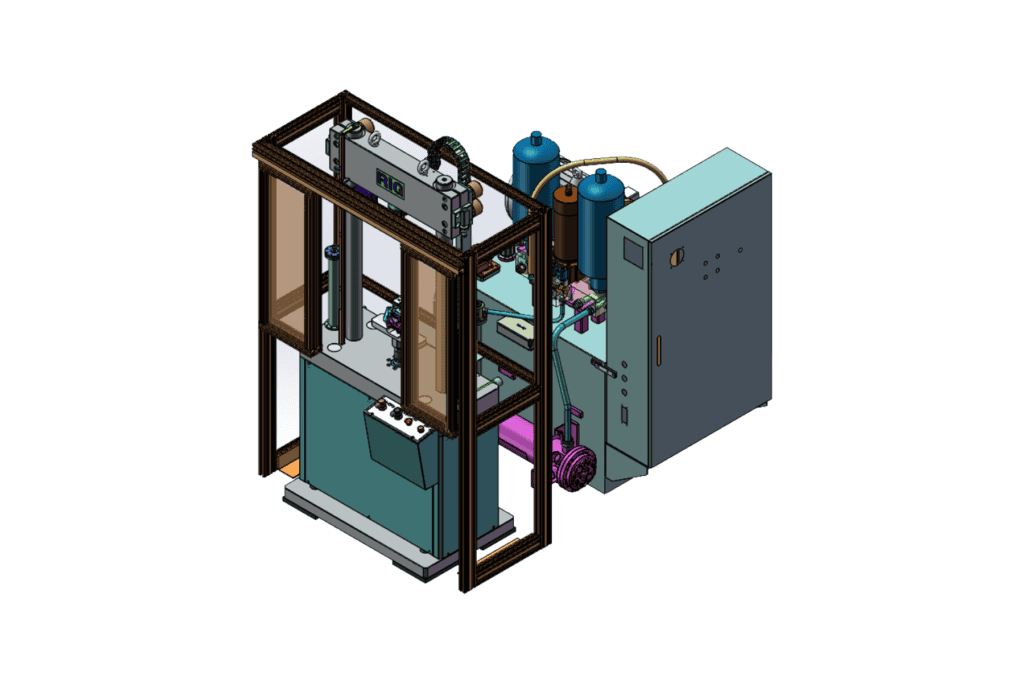
RIG-T213 Dynamic and Static Stiffness Testing Machine for Rubber Bushings
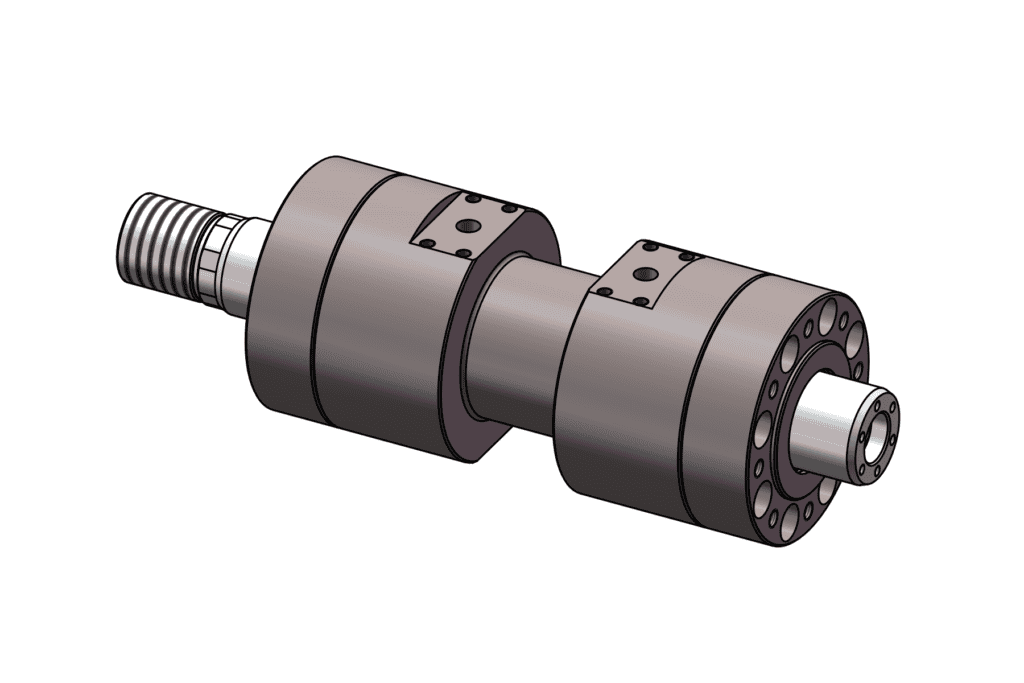
Hydrostatic Support Actuator | Precision Hydraulic Actuator for Press Systems
