
Automated Testing and Calibration Systems for Precision and Quality Assurance
Ensuring that each part meets the highest performance standards is crucial in manufacturing. RIG’s automated testing and calibration systems are designed to automate the quality control process, offering precision, repeatability, and consistency to guarantee the quality of your products. By integrating state-of-the-art testing solutions into your production line, we provide accurate and reliable performance measurements, ensuring your components perform at their peak.
Key Features of RIG’s Automated Testing and Calibration Systems
RIG offers advanced testing and calibration solutions that ensure your components meet stringent quality standards. Whether you’re dealing with high-tech automotive parts or delicate electronic components, our systems help you achieve top-quality testing and calibration for every product.
1. Precise and Consistent Testing
RIG’s automated testing systems are designed to provide high-accuracy measurements, eliminating human error and reducing inconsistencies. These systems ensure that every part is tested according to the same rigorous performance criteria, ensuring uniformity across your production output.
- Repeatable Testing: Automated systems provide consistent, repeatable tests, minimizing variability and ensuring parts meet precise performance specifications every time.
- High Precision: Whether you’re measuring small components or large assemblies, our systems provide highly accurate testing that ensures your parts meet the necessary quality standards.
2. Calibration for Optimal Performance
Calibration is crucial for ensuring the long-term functionality of machinery and equipment. RIG’s automated calibration systems offer precise calibration for all your components, ensuring they maintain peak performance throughout their lifespan.
- Precise Calibration: Our systems guarantee that all components are accurately calibrated to the required specifications, improving operational reliability.
- Integrated Calibration: The calibration process is fully integrated into the production line, reducing downtime and maintaining continuous production flow.
3. Seamless Integration with Production Lines
RIG’s automated testing and calibration systems are designed to seamlessly integrate with your existing production line. Whether you are testing finished products, intermediate components, or raw materials, our systems ensure smooth data flow and consistent quality checks without disrupting production.
- Integration with Other Systems: Our systems integrate with assembly lines, robotic arms, conveyors, and other automated systems to create a fully automated production environment.
- Data Flow & Reporting: Automated testing systems provide real-time feedback on the quality of parts being tested, allowing for immediate corrective actions to ensure consistent product quality.
4. Increased Throughput and Efficiency
Automating the testing and calibration process enhances the speed and throughput of your production line. RIG’s solutions are built to perform tests and calibrations rapidly, minimizing downtime while maintaining accuracy and precision.
- Fast Testing & Calibration: Automated testing systems operate quickly without sacrificing accuracy, enabling high-volume production without compromising on quality.
- Enhanced Efficiency: With the integration of automation, our testing systems eliminate the need for manual testing, saving time and improving production efficiency.
5. Real-Time Monitoring and Analytics
Our automated testing and calibration systems are equipped with advanced monitoring capabilities, allowing for real-time tracking of test results and system performance. This provides your team with valuable insights into production quality, enabling data-driven decisions.
- Continuous Monitoring: RIG’s systems continuously monitor key metrics, including performance, accuracy, and operational efficiency, to ensure optimal results throughout the production process.
- Data Analytics: The real-time data collected can be analyzed to identify potential issues or patterns in the production process, improving long-term efficiency and product quality.
How to Choose the Right Automated Testing and Calibration System for Your Production Line
When selecting an automated testing and calibration system, it’s essential to consider several factors to ensure the system is the right fit for your production needs. Here are the key factors to evaluate when choosing a testing solution for your facility:
1. Type of Testing Required
Different products and materials require different types of testing. Understanding the testing requirements for your components is critical to selecting the right system.
- Visual Inspection: For surface defects, visual inspection systems can help detect minor defects or abnormalities on the surface of the part.
- Dimensional Measurement: If accuracy and precision in dimensions are vital, you’ll need a system that can measure and validate dimensions to ensure compliance with specifications.
- Material Testing: In cases where materials need to be tested for strength, durability, or performance, choose a system capable of material testing to ensure compliance with industry standards.
2. Speed and Accuracy
One of the key benefits of automated testing systems is their ability to maintain high speeds while ensuring accuracy. It’s essential to choose a system that balances both speed and precision to meet your production requirements.
- High-Speed Testing: Automated testing systems can perform quality checks without slowing down your production line.
- Accuracy: Ensure the system offers the high level of accuracy required for your components, especially in industries where precision is crucial, such as automotive or electronics.
3. Integration with Other Production Systems
Your automated testing system should seamlessly integrate with the rest of your production line. This includes ensuring compatibility with your assembly lines, conveyors, robotic arms, and inspection systems.
- System Compatibility: Ensure the system integrates smoothly with other production equipment, such as material handling systems, to maintain workflow continuity.
- Data Integration: Look for a solution that allows for easy integration of test results into your overall production tracking systems.
4. Data Collection and Reporting
Data plays a crucial role in ensuring quality and identifying issues. Automated testing and calibration systems should offer data collection and reporting features for continuous quality improvement.
- Real-Time Data Collection: The system should capture testing data in real time, which can then be used for analysis, reporting, and corrective actions.
- Actionable Insights: Collecting data is valuable when it provides actionable insights that help in continuous monitoring and improvement of the production process.
Conclusion
RIG’s automated testing and calibration systems offer a comprehensive solution for ensuring that every component in your production line meets the highest quality standards. By providing precise, repeatable tests and calibrations, these systems help you maintain product quality, reduce errors, and improve efficiency across your production process. With integration capabilities, scalability, and real-time data analytics, RIG’s testing systems are designed to meet the evolving needs of modern manufacturing environments.
Discover more about how RIG’s automated testing and calibration systems can enhance the quality of your production line by exploring our Testing & Calibration Solutions today.
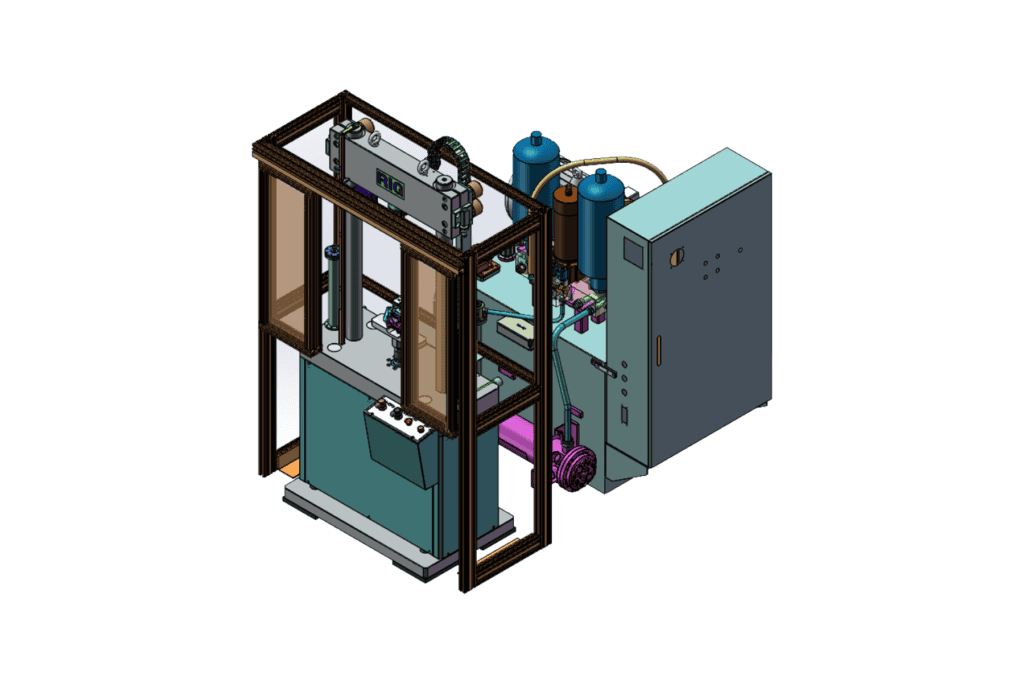
RIG-T213 Dynamic and Static Stiffness Testing Machine for Rubber Bushings
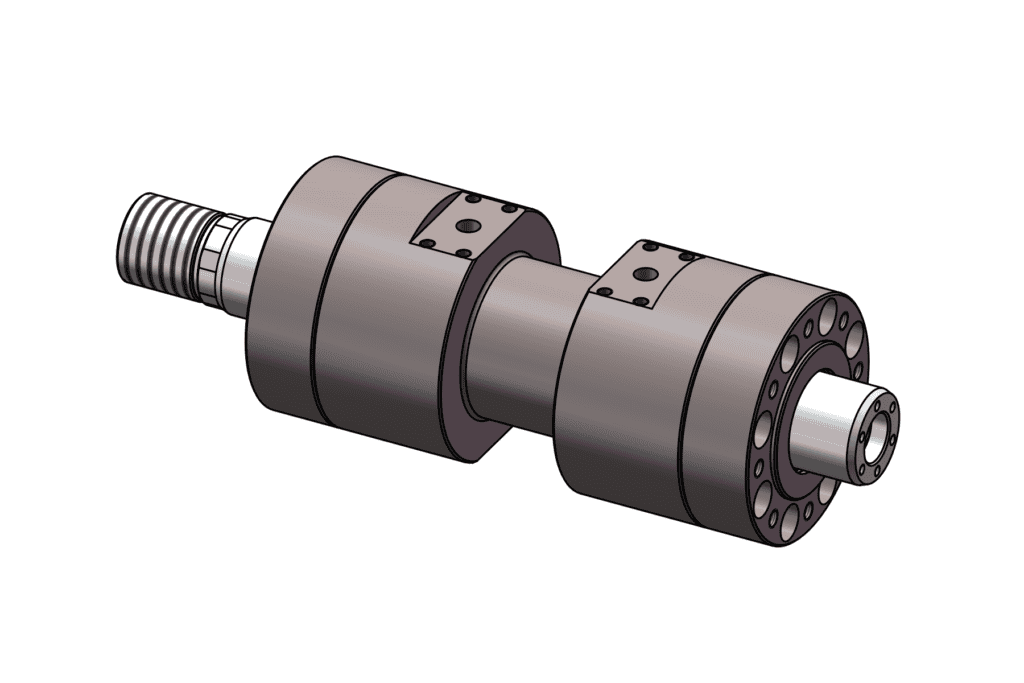
Hydrostatic Support Actuator | Precision Hydraulic Actuator for Press Systems
