
Automated Welding Systems: Enhance Precision and Durability in Automotive Manufacturing
In the world of automotive manufacturing, the importance of precision and durability cannot be overstated. Automated welding systems are crucial for ensuring high-quality, consistent welds across various components, from structural elements to intricate car body sections. At RIG Automation, we specialize in providing customized welding solutions that meet the unique demands of the automotive industry.
Whether your needs involve welding large, heavy-duty components or delicate, intricate parts, RIG’s automated welding systems are engineered to deliver the accuracy and strength required for superior assembly. Our welding systems are designed to reduce human error, increase production speed, and optimize quality control, all while minimizing downtime and waste in your manufacturing process.
Key Features of RIG’s Automated Welding Systems
RIG offers tailored welding systems that are specifically designed to address the unique challenges of your production line. Our systems ensure that your welding processes are more efficient, precise, and adaptable to a variety of automotive applications. Here are the key features and considerations for selecting the right automated welding solution for your manufacturing needs:
1. Welding Type: Spot Welding, Arc Welding, or Laser Welding
Selecting the appropriate welding technique is fundamental to achieving the required results for your parts. RIG’s welding systems are equipped to handle various types of welding techniques, including:
- Spot Welding: Ideal for joining thin sheet metals or smaller components, spot welding is often used in automotive body assembly, especially for parts that require a high level of precision.
- Arc Welding: Used for heavier materials, arc welding is a reliable method for welding thicker components, such as structural parts in vehicle frames.
- Laser Welding: This high-precision welding method is used for delicate or complex parts, providing high-speed, clean welds with minimal distortion.
Each technique is suited to specific applications, and RIG’s customizable welding solutions ensure you can select the right method for your unique production needs.
2. Material Compatibility
The materials being welded play a crucial role in determining the type of welding system required. Whether you’re working with steel, aluminum, stainless steel, or other materials, it is essential that your welding system is compatible with the materials used in your parts.
- Steel and Stainless Steel: These materials require systems with high heat control to prevent warping or degradation.
- Aluminum: For lightweight materials like aluminum, laser welding or high-frequency welding offers precision and heat control to avoid distorting the material.
- Composite Materials: As the automotive industry increasingly uses composite materials in vehicle construction, having a system that can handle a wide variety of materials is essential for future-proofing your production.
RIG’s welding systems are versatile and can be easily customized to work with a range of materials, ensuring the highest quality welds on every part.
3. Precision & Speed
One of the primary advantages of automated welding is the precision it offers. Unlike manual welding, which is prone to human error, automated systems ensure that every weld is made with consistent accuracy. This is especially important in automotive manufacturing, where the quality of the weld directly impacts the strength and durability of the finished product.
- Precision: RIG’s automated systems utilize advanced sensors, feedback loops, and real-time data monitoring to ensure every weld meets the exact specifications.
- Speed: Automated welding allows for faster production times without compromising quality. Speed is crucial in high-volume production lines, such as those found in automotive manufacturing, where meeting tight production deadlines is essential.
At RIG, we provide high-speed welding solutions that offer both precision and efficiency, ensuring that your production line operates at maximum capacity without sacrificing quality.
4. Integration with Other Systems
To achieve maximum efficiency, it’s important that your automated welding system integrates seamlessly with other automation systems on your production line. This may include robotic arms, material handling systems, conveyor belts, and inspection systems.
- Seamless Workflow: Integrating your welding systems with other equipment ensures smooth material flow and minimizes downtime during part transitions.
- Robotics Integration: RIG’s welding systems are fully compatible with robotic arms, allowing for automation of more complex tasks, including material loading and unloading, positioning, and part handling.
RIG’s automated welding solutions are designed to integrate seamlessly with your entire production line, creating a streamlined and efficient workflow that minimizes manual intervention.
5. Automation Level
The automation level of your welding system depends on the complexity of your production process. Some manufacturing lines require fully automated systems that can perform all welding tasks without human intervention, while others may benefit from semi-automated systems that involve some manual oversight.
- Fully Automated Systems: These systems are ideal for high-volume, high-speed production lines, where precision and consistency are paramount. They reduce labor costs and improve overall production efficiency.
- Semi-Automated Systems: For more flexible manufacturing processes, semi-automated systems allow for human intervention where necessary, providing a balance between automation and manual control.
RIG’s automated welding systems are customized to meet your production requirements, whether you need full automation or a more flexible semi-automated approach.
How to Choose the Right Automated Welding System
When selecting the right automated welding system for your production line, it’s important to assess several factors:
1. Production Line Requirements
Understanding your production line requirements is key to selecting the right welding system. Consider whether you need a high-volume system or if your production requires more customized welding solutions for low-volume, specialized parts.
- High-Volume Production: For mass production lines, automated welding systems that offer high-speed operations with minimal downtime are ideal.
- Customized Production: If your production involves smaller batches or more complex parts, semi-automated or robotic welding systems may be more appropriate.
2. Part Size and Complexity
Consider the size and complexity of the parts being welded. Larger, more complex parts may require specialized systems to ensure strong, precise welds.
- Large Parts: For large, heavy-duty automotive components, systems with higher load capacities and precision controls are required.
- Small Parts: Smaller, intricate components need fine control to avoid warping or distortion during the welding process.
3. System Flexibility and Upgradability
As your production needs evolve, it’s important to choose a welding system that is flexible and can be easily upgraded to accommodate future demands.
- Modular Design: Many of RIG’s automated welding systems feature modular designs, allowing for easy integration of additional components or features as your production scales.
- Future-Proofing: Select a system that can be upgraded with the latest welding technologies to ensure your production line remains competitive in the long run.
Conclusion
Automated welding systems are essential for enhancing the precision and durability of parts in automotive manufacturing. Whether you require spot welding, arc welding, or laser welding, RIG’s custom welding solutions ensure that your production line operates efficiently and consistently. With high precision, speed, and seamless integration capabilities, RIG’s welding systems are designed to meet the evolving needs of your manufacturing process, ensuring the highest quality and durability of every part produced.
Explore RIG’s automated welding solutions today and discover how we can help you enhance your production line’s efficiency, precision, and quality.
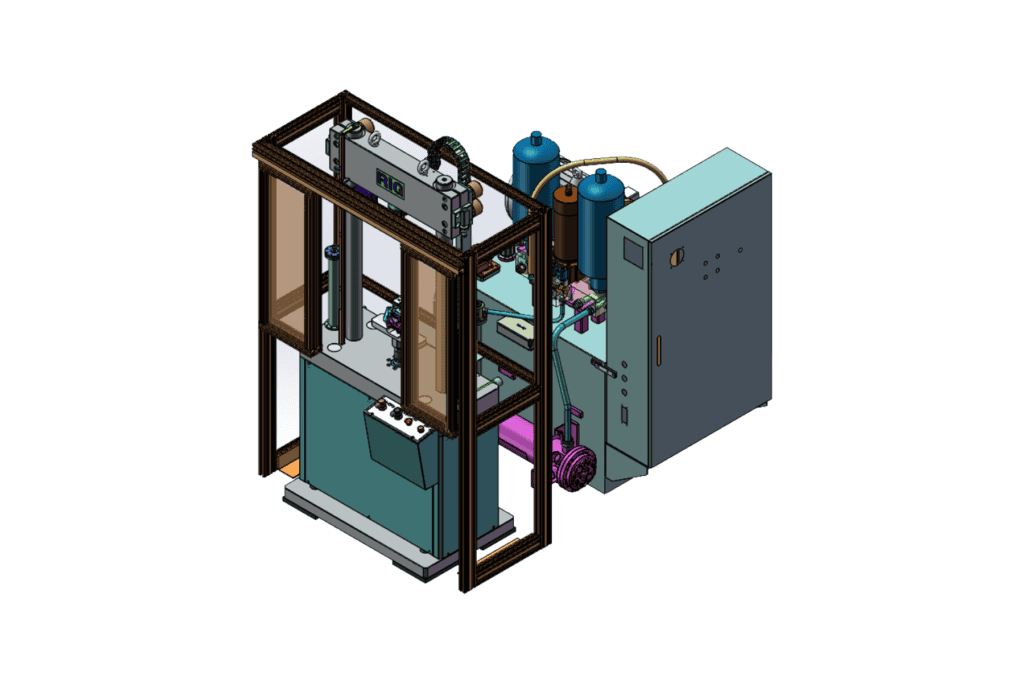
RIG-T213 Dynamic and Static Stiffness Testing Machine for Rubber Bushings
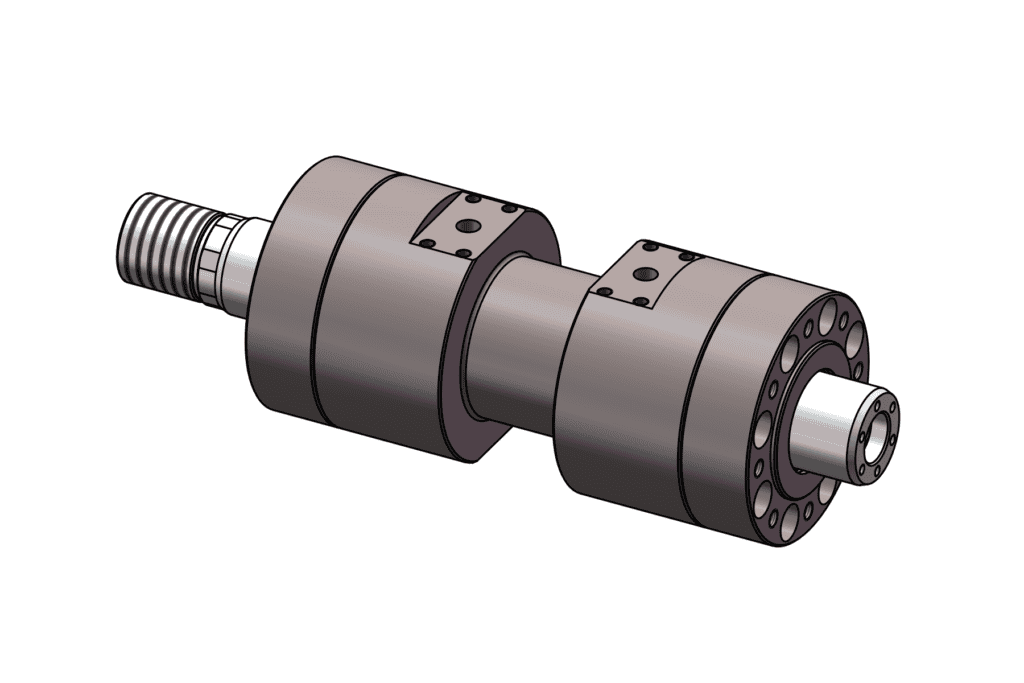
Hydrostatic Support Actuator | Precision Hydraulic Actuator for Press Systems
