
Automated Material Handling Systems for Efficient Production Flow
Efficient material handling systems are the backbone of a well-functioning automated production line. These systems are essential for ensuring that materials—whether raw materials, semi-finished goods, or finished products—are moved through the production process seamlessly, without delays or bottlenecks. With automated material handling systems, you can optimize the flow of parts, minimize manual labor, reduce human error, and significantly improve your overall production efficiency.
At RIG Automation, we specialize in designing and implementing custom material handling solutions that are tailored to meet the specific needs of your production line. Our automated systems are engineered to handle materials of varying types, weights, and sizes, offering the flexibility and scalability to keep up with the demands of modern manufacturing.
Key Considerations for Your Material Handling System
When choosing an automated material handling system, there are several key factors that need to be taken into account. By evaluating these considerations, you can ensure that the system you select is well-suited to your production requirements and integrates effectively with your existing workflows.
1. Material Type
One of the most important factors when selecting an automated material handling system is ensuring that the system is compatible with the materials you are working with. Different materials have different properties, and your handling system must be capable of managing these materials without causing damage or inefficiency.
- Fragile Materials: For delicate components like glass or lightweight electronics, you’ll need systems that offer gentle handling and precision to avoid breakage.
- Heavy Materials: For industrial applications, such as automotive manufacturing or heavy-duty machinery, robust systems capable of managing large, heavy components are required.
- Bulk Materials: In cases where bulk materials are used, such as in construction or mining, large-scale material handling systems with specialized conveyors or hoists are needed.
RIG Automation designs and builds customized systems that cater to all types of materials, ensuring optimal handling efficiency and safety.
2. Load Capacity & Speed
The load capacity and speed of the material handling system are critical factors in ensuring that the system can meet the demands of your production line. Choosing the right balance between these two factors is essential for maintaining high throughput without sacrificing quality.
- Load Capacity: Determine the maximum weight of the materials that need to be handled. Choosing a system with an adequate load capacity ensures that the materials can be transported efficiently without risk of system failure or damage.
- Speed: Depending on your production line’s requirements, you’ll need a system that can handle the necessary speed to meet production goals. For high-speed production environments, high-speed automated systems can keep pace with production while maintaining precision.
RIG’s material handling systems are designed with customizable speed and load capacities, ensuring that they are built to meet your specific production needs.
3. Modularity
A key advantage of automated material handling systems is their modular design. Modular systems provide the flexibility to adjust and expand the system as your production needs evolve. This makes them an ideal solution for industries that experience fluctuating demand or need to adapt quickly to changes in product specifications.
- Scalability: As your production volume increases, your material handling system can be expanded by adding more modules to ensure it continues to meet demand.
- Custom Configuration: Depending on your layout and operational requirements, the system can be configured with different modules such as conveyors, automated guided vehicles (AGVs), or robotic arms.
At RIG, we offer modular material handling systems that can be easily customized and expanded to meet the evolving needs of your production environment.
4. Integration
To ensure that your production process runs smoothly, your material handling system must integrate effectively with other systems, such as robotic arms, assembly lines, and storage systems. Seamless integration ensures that materials flow efficiently between different stages of the production process.
- Conveyor Systems: Ensure that the material handling system integrates well with conveyor belts, which are commonly used to transport materials from one workstation to another.
- Robotic Integration: If you have robots performing tasks like assembly, welding, or packaging, make sure your material handling system works well with the robots to avoid delays or errors in the production flow.
- Storage Systems: For manufacturers dealing with large inventories or raw materials, ensuring that your material handling system works in sync with automated storage systems is key to reducing space usage and ensuring that materials are readily accessible.
RIG’s material handling systems are designed to integrate smoothly with other systems on your production floor, ensuring that every aspect of the manufacturing process works in harmony.
How to Choose the Right Material Handling System for Your Line
When choosing a material handling system, it’s important to fully understand your production needs. Below are some additional considerations to help you select the right system for your manufacturing operations:
1. Production Line Requirements
Different production lines may have different material handling needs. Determine whether your line requires continuous transport of materials or if a batch-based system is more suitable.
- Continuous Transport Systems: These systems are ideal for high-speed production environments where materials need to be moved continuously without interruption.
- Batch-Based Systems: Batch-based material handling systems are suitable for more controlled environments where materials are handled in stages.
2. Product Size & Weight
Evaluate the size and weight of the parts you are handling. Larger and heavier components require more robust systems capable of handling substantial loads.
- Large Parts: For large components like automotive body parts or heavy machinery, ensure that your system can handle larger payloads and can be scaled as necessary.
- Small Parts: For smaller, lightweight parts, such as components in the electronics or pharmaceutical industries, your system should be designed to handle delicate parts with precision.
3. Future Needs and Expansion
It’s important to plan for the future when selecting a material handling system. Will your system need to accommodate future expansions in production volume or product lines?
- Flexible Design: Choose a system that can grow with your business by adding more modules or integrating additional features.
- Upgradable Components: Ensure that components such as conveyors, lifts, or robotic arms can be upgraded to handle future requirements.
Conclusion
An automated material handling system is critical for maintaining efficiency and reducing delays in your production line. Whether you need a system designed to handle heavy-duty industrial parts or lightweight components, RIG Automation offers customized material handling systems that fit the specific needs of your operation. With modular designs, seamless integration with other systems, and flexibility to adapt to your evolving production needs, RIG’s systems ensure your production flows smoothly and efficiently.
Explore RIG’s automated material handling solutions and learn how we can help you streamline your production processes, reduce bottlenecks, and enhance overall operational efficiency.
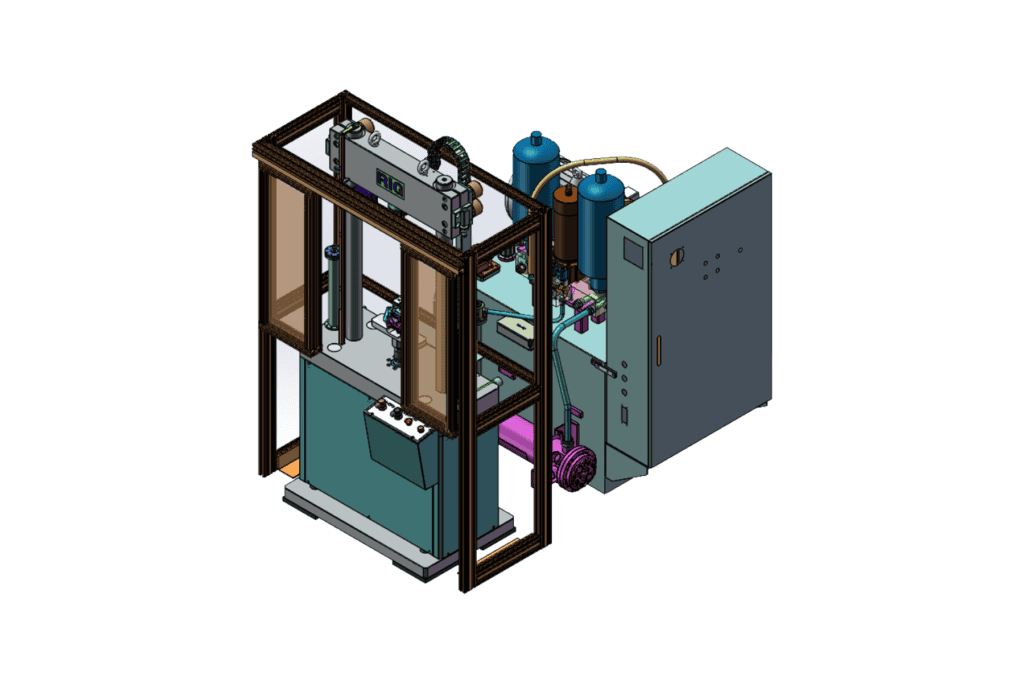
RIG-T213 Dynamic and Static Stiffness Testing Machine for Rubber Bushings
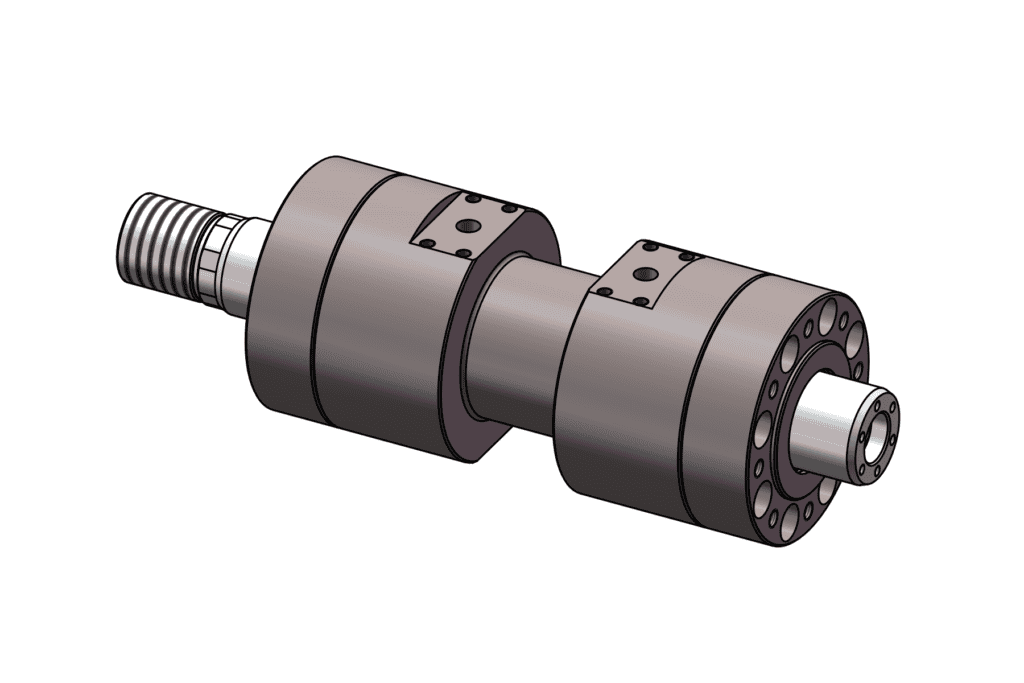
Hydrostatic Support Actuator | Precision Hydraulic Actuator for Press Systems
