
Automated Conveyor Systems for Optimized Production Lines
When designing a customized automated production line, selecting the right Conveyor System is essential to streamline your processes and improve overall efficiency. RIG Automation specializes in providing flexible and tailored conveyor solutions that enable smooth material handling across different stages of production. Choosing the right configuration is key to ensuring seamless integration with your specific production needs, improving speed, quality, and throughput.
Key Considerations for Your Conveyor System
Selecting the appropriate conveyor system for your production line involves carefully considering several critical factors to ensure it meets your operational goals and integrates seamlessly into your existing infrastructure.
1. Load Capacity
Load capacity is one of the primary factors to consider when selecting a conveyor system. It refers to the maximum weight the conveyor can handle while maintaining its performance and durability. Choosing a conveyor system with an appropriate load capacity ensures that materials are transported smoothly without risking system overloads, failures, or damage.
Why Load Capacity Matters:
- Efficiency: Selecting a conveyor that matches the weight requirements of your materials prevents overloads, ensuring efficient transport and avoiding unnecessary downtime.
- Durability: Conveyor systems designed for higher load capacities are more robust, offering greater longevity and reducing the need for frequent maintenance.
- Safety: Ensuring that the system can handle heavy loads reduces the likelihood of accidents caused by strain or overload, ensuring worker safety and adherence to industry regulations.
RIG’s conveyor solutions are customizable to meet your specific load capacity requirements, whether you’re handling light components or heavy automotive parts.
2. Speed Control
Optimizing production speed is crucial for maintaining a smooth flow of materials within your production line. Speed control allows for adjustable conveyor speeds that match the specific needs of different stages of production. With the ability to fine-tune speeds, production becomes more flexible, reducing downtime and increasing throughput.
Benefits of Speed Control:
- Increased Throughput: Adjustable speeds allow your conveyor system to match production rates, improving the overall throughput of your manufacturing line.
- Customizability: With the ability to change speeds, the system can adapt to various materials and processes, ensuring that operations are not disrupted.
- Energy Efficiency: Optimizing speed ensures the system uses only the necessary energy for transporting materials, improving the system’s overall energy efficiency.
RIG’s automated conveyors are designed with advanced speed control mechanisms, offering the flexibility to optimize production without sacrificing efficiency.
3. Space Efficiency
In many manufacturing environments, space is a premium. A space-efficient conveyor system is essential to ensure that your conveyor system fits within the factory layout without wasting valuable floor space. A modular design is ideal for optimizing space, allowing you to create a flexible system that can adapt to your evolving needs.
Why Space Efficiency Matters:
- Maximized Facility Usage: A well-designed conveyor system takes up less space, leaving room for other production activities or future system expansions.
- Ease of Maintenance: When space is optimized, maintenance becomes easier and quicker, reducing downtime and boosting productivity.
- Scalability: Modular conveyor systems can be expanded or reconfigured as production requirements change, providing a long-term solution that adapts to your needs.
At RIG, we specialize in modular conveyor designs that allow you to optimize space usage in your facility, ensuring efficient material handling without compromising on system performance.
4. Material Compatibility
The conveyor system must be designed to handle the specific materials in your production process. From light components to heavy parts, selecting a conveyor that can safely and effectively transport the materials is essential for reducing damage, improving efficiency, and maintaining quality.
Key Considerations for Material Compatibility:
- Belt Material and Construction: The choice of belt type (e.g., rubber, steel, plastic) and its durability play a significant role in determining how well it will handle specific materials.
- Handling Fragile Materials: For fragile components like glass or delicate electronics, the conveyor system must have the right surface material and handling capabilities to avoid damage.
- Specialized Features: Conveyor belts with anti-static, heat-resistant, or high-friction properties are ideal for certain materials, ensuring that production processes run smoothly.
RIG’s conveyor solutions come with a range of material-compatible options, making sure that your system can handle a variety of parts, from lightweight materials to heavy automotive components.
How to Choose the Right Conveyor System for Your Line
Selecting the right conveyor system is not only about ensuring the proper technical specifications but also about understanding your overall production line requirements. Below are some of the critical considerations to help guide your decision:
1. Production Line Requirements
Production Line Requirements help determine whether you need a continuous conveyor system or a batch-based transport system. Continuous systems are ideal for high-speed production lines where parts move constantly, while batch-based systems are better suited for controlled processes where parts need to be staged or processed in intervals.
Choosing Between Continuous vs. Batch Systems:
- Continuous Systems: These are designed for high-volume, fast-paced production where parts are continuously moved without interruption.
- Batch Systems: These are ideal for slower, more precise processes that require the system to stop and start at specific intervals, providing better control over each stage of production.
2. Product Size & Weight
It’s crucial to select a conveyor system that can handle your specific product dimensions and weight. Conveyor systems are available in different sizes and capacities, designed to match the size and weight of the products being transported. Make sure your system is capable of handling the full range of materials in your production process.
Matching Conveyor System to Product Size and Weight:
- Larger Components: Heavier products require stronger conveyor belts and motors to transport them safely.
- Smaller Parts: For small, lightweight parts, a more delicate and flexible conveyor system is required to prevent parts from shifting or becoming damaged.
3. Integration
Your conveyor system must integrate seamlessly with other automation systems, such as robotic arms and assembly lines. Ensuring compatibility with existing processes is key to creating an efficient, automated production line.
How Integration Enhances Efficiency:
- Automation Compatibility: Ensure that the conveyor system can easily interface with other systems like robotic arms, sorting machines, and automated assembly systems for optimized performance.
- Syncing Production Systems: Proper integration allows the entire production process to run without interruption, reducing delays and improving throughput.
At RIG, we design conveyor systems that seamlessly integrate with existing automation equipment, ensuring that your entire production line operates at peak efficiency.
Conclusion
Choosing the right conveyor system is crucial to optimizing your automated production line. RIG Automation offers customized conveyor solutions that are flexible, scalable, and tailored to meet the specific needs of your production process. Whether you’re handling light components, heavy parts, or fragile materials, our solutions are designed to ensure efficiency, precision, and reliability at every stage of production.
Explore RIG’s conveyor systems and discover how we can help you streamline your production and boost your manufacturing efficiency.
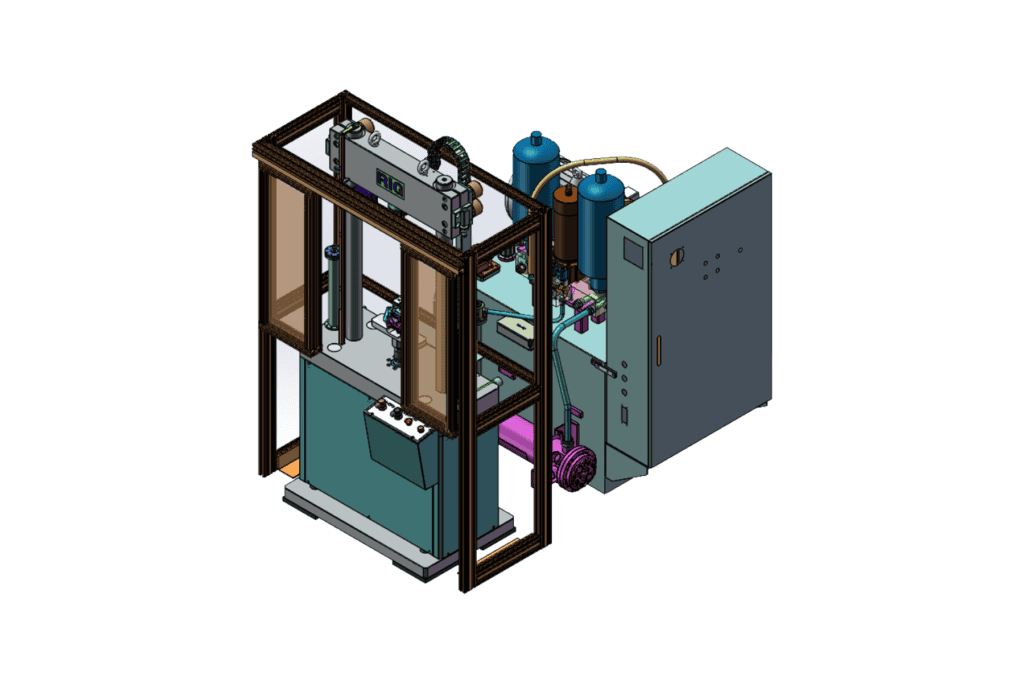
RIG-T213 Dynamic and Static Stiffness Testing Machine for Rubber Bushings
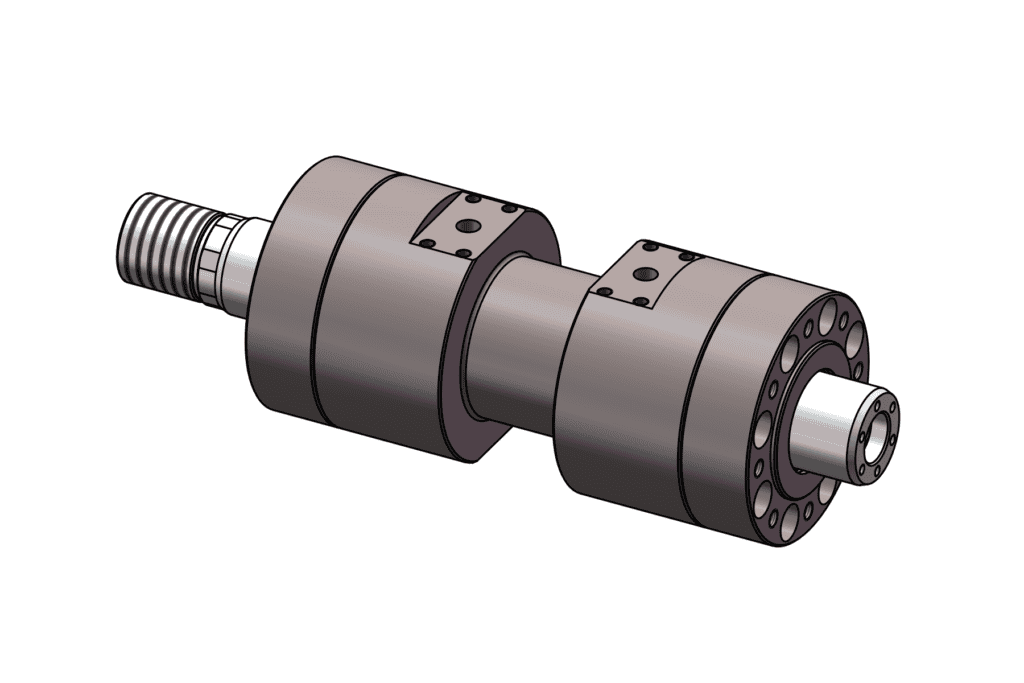
Hydrostatic Support Actuator | Precision Hydraulic Actuator for Press Systems
