
Automated Assembly Systems for Efficient Product Assembly
In modern manufacturing, automated assembly systems are essential for streamlining production processes and reducing manual labor. By automating the assembly line, manufacturers can ensure that their operations are more efficient and consistent, improving both throughput and product quality. Whether you’re assembling complex automotive parts, electronics, or medical devices, automated systems can help meet the increasing demand for precision and speed.
RIG Automation offers customized automated assembly solutions designed to meet the specific requirements of your production line. With advanced robotic technology and integration capabilities, we deliver high-performance systems that enable seamless assembly processes, reducing human intervention while maximizing operational efficiency.
Key Considerations for Your Assembly System
When selecting an automated assembly system, there are several important factors to consider. Each consideration helps ensure that the system is designed to meet the unique needs of your production process, from assembly complexity to integration with other automation systems.
1. Assembly Complexity
The complexity of your assembly process plays a significant role in determining the type of automated system you require. Some products may need simple, repetitive assembly tasks, while others require intricate, precise operations.
- Simple Assembly: For products that require straightforward assembly, such as standard components or parts that fit together easily, a simpler automated system is sufficient.
- Complex Assembly: For more complex assembly tasks—such as intricate electronics, automotive parts, or medical devices—an advanced, multi-stage system with precise control is required.
At RIG, we design assembly systems that cater to both simple and complex production needs, ensuring that the system optimally handles the tasks required in your production line.
2. Part Handling
Different products have different requirements when it comes to part handling. Some parts are delicate, lightweight, or fragile, while others are heavy-duty and require robust handling. Choosing an assembly system that can efficiently manage these varying parts is essential for ensuring smooth, efficient operations.
- Delicate Parts: Systems designed for handling delicate or fragile components, such as electronics or glass, often feature gentle gripping mechanisms and precision control to prevent damage.
- Heavy Parts: For larger, heavier components like automotive parts or machinery, the system must be robust and capable of managing the weight and size without compromising accuracy.
RIG’s assembly systems are customized to handle a wide variety of parts, from lightweight delicate components to heavy-duty industrial parts, ensuring each part is managed efficiently and safely throughout the assembly process.
3. Integration with Other Systems
Integration with existing automation systems such as conveyors, robotic arms, and inspection systems is a crucial consideration when designing an automated assembly system. Ensuring that the assembly system works seamlessly with your existing production setup allows for a smooth and efficient workflow.
- Conveyor Systems: Automated assembly lines often require integrated conveyor belts to transport parts to various assembly stations. It’s important to ensure that your assembly system and conveyors are synchronized.
- Robotics and Inspection Systems: Integration with robotic arms or inspection systems allows for automated handling and quality control, minimizing human intervention and improving overall efficiency.
RIG’s automated assembly systems are designed to easily integrate with other automation systems, ensuring that every component of your production line works together in harmony.
4. Scalability
As production demands grow, your assembly system needs to be able to scale to meet increasing requirements. Scalability is a key consideration when selecting an automated system, as it ensures the system can evolve with your business and adapt to future needs.
- Modular Design: RIG’s assembly systems are built with modular designs, which allow you to expand the system as needed. Whether you need to add additional workstations or upgrade components, the system can evolve without requiring a complete overhaul.
- Flexible Capacity: Scalable systems allow for adjustments to production volumes, enabling you to meet changing market demands efficiently.
At RIG, we offer scalable assembly systems that can grow with your production needs, ensuring your investment continues to provide value as your business expands.
How to Choose the Right Assembly System for Your Line
When choosing the right automated assembly system, it’s important to consider not just your current needs but also how your requirements may change as your business grows. Here are a few more factors to consider:
1. Production Line Requirements
Before selecting an assembly system, evaluate your production line requirements. Consider whether your line will need continuous assembly or if batch-based systems are more appropriate for your needs.
- Continuous Assembly: Continuous assembly lines are ideal for high-volume production and systems that need to operate continuously with minimal downtime.
- Batch-Based Assembly: Batch systems are better suited for smaller production runs, offering flexibility to change configurations for different products.
2. Product Size & Weight
Ensure that your assembly system is capable of handling the size and weight of the components you’ll be working with. Larger or heavier parts may require specialized handling equipment to move and position them without damage.
- Larger Components: For large components like car bodies, machinery, or industrial parts, ensure the system has the strength and precision to handle them safely.
- Smaller Components: Smaller parts, such as microelectronics or precision medical devices, require systems that offer fine motor control and precision.
3. System Flexibility
Consider the flexibility of the system. Can it handle multiple types of products? Does it allow for future upgrades? The right system will provide the versatility needed to adapt to different product variations or future production needs.
- Customization: A flexible system allows you to customize workstations and tools, accommodating different assembly requirements without significant downtime or reconfiguration.
At RIG, we offer flexible and customizable automated assembly systems that can meet both current and future production needs, ensuring long-term value and scalability for your business.
Conclusion
Automated assembly systems play a crucial role in modern production lines, improving efficiency, consistency, and throughput. RIG Automation offers customized assembly solutions designed to meet the unique needs of your manufacturing process, whether your products require simple or complex assembly tasks. With precise part handling, seamless system integration, and scalable solutions, RIG ensures that your production line remains efficient and adaptable as your business grows.
Explore RIG’s automated assembly systems and learn how we can help you streamline your operations and improve your manufacturing performance.
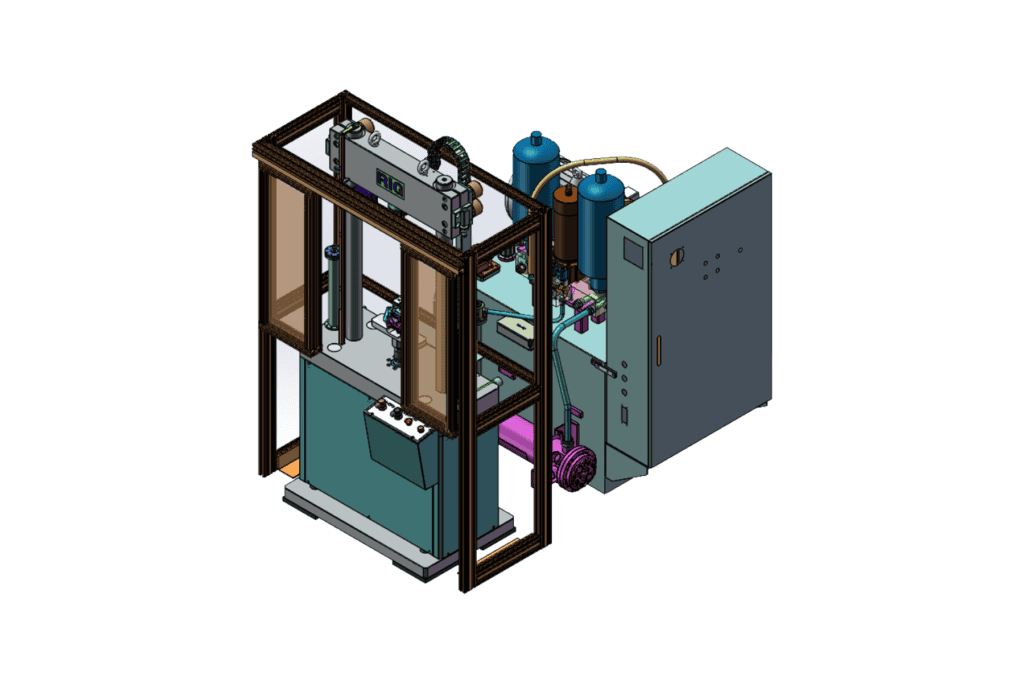
RIG-T213 Dynamic and Static Stiffness Testing Machine for Rubber Bushings
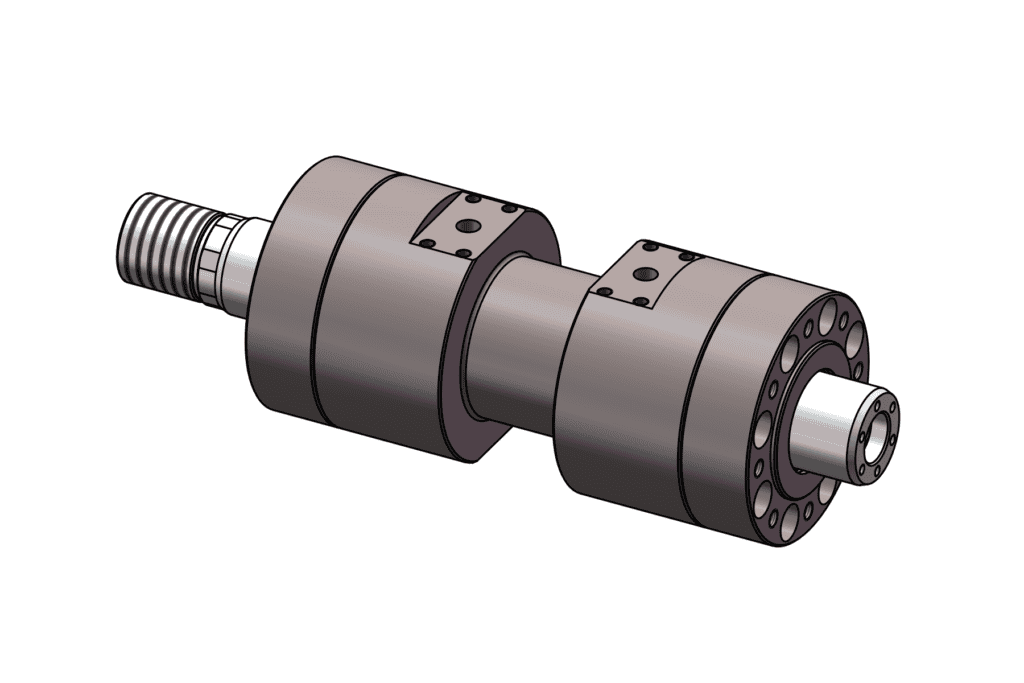
Hydrostatic Support Actuator | Precision Hydraulic Actuator for Press Systems
