
Automated Sorting Systems for Optimized Production Flow
In today’s manufacturing environment, efficiency and precision are paramount. Automated sorting systems from RIG are designed to streamline your production line by efficiently sorting parts based on critical factors such as size, type, and quality. By automating this process, you can significantly reduce human error, increase throughput, and ensure that materials are always directed to the appropriate location for the next stage in production.
These advanced sorting systems help you maintain high standards of production while ensuring smooth and continuous material handling, boosting both productivity and quality across various industries.
Key Features of RIG’s Automated Sorting Systems
RIG’s automated sorting systems offer customizable solutions that meet the unique needs of your production line. Whether you are sorting small parts, heavy components, or specialized materials, these systems are built to handle a variety of applications with speed and accuracy.
1. Efficient Sorting by Size, Type, or Quality
Automated sorting systems are essential for handling parts that need to be sorted by various characteristics, such as size, type, or quality. These systems make sure that parts are automatically identified and routed according to your specifications, reducing manual labor and optimizing production flow.
- Size Sorting: RIG’s sorting systems ensure that parts of different sizes are correctly categorized and routed to the appropriate production or assembly lines.
- Type Sorting: The system can be programmed to recognize and classify parts based on their type, ensuring that they follow the right production path.
- Quality Sorting: Our sorting systems can also identify defects or variations in quality and segregate parts that do not meet your specifications for further inspection or rework.
2. Integration with Existing Production Systems
RIG’s sorting systems seamlessly integrate with your existing production infrastructure, ensuring minimal disruption and maximum efficiency. The system can work in tandem with robotic arms, conveyors, and other automation equipment, making the entire production process smoother and more cohesive.
- Flexible Integration: These sorting systems can be integrated with existing production lines, conveyors, robotic cells, and other systems to streamline material handling and minimize downtime.
- Seamless Data Flow: Integration with your factory’s data systems ensures that every part’s progress is tracked accurately, offering real-time insights into the production line’s status.
3. Scalability for Growing Operations
As your production demands evolve, so should your sorting systems. RIG’s automated sorting systems are modular and scalable, allowing for easy upgrades as your production volume or complexity increases. This scalability ensures that you’re always prepared to meet future demands without the need for a complete overhaul of your production line.
- Modular Design: The modular nature of the system allows you to add or remove components based on changing production needs.
- Future-Proof Solutions: With scalable design, your sorting system can easily adapt to larger volumes, more complex sorting requirements, or new product lines.
4. Speed and Accuracy
Speed and accuracy are two of the most important factors when it comes to sorting systems. RIG’s automated sorting solutions are designed to maintain high speeds while ensuring that parts are sorted accurately every time.
- High-Speed Sorting: Our systems are optimized to handle high-throughput, ensuring that materials are sorted quickly and efficiently, keeping your production line moving.
- Precision Sorting: Despite the high speed, RIG’s sorting systems provide precise handling, ensuring that parts are placed in the correct location without errors.
5. Increased Efficiency and Reduced Downtime
Automating the sorting process significantly reduces the need for manual intervention, which increases the efficiency of your production line and minimizes downtime.
- Automated Workflow: Automated sorting ensures that materials move smoothly through the production stages without manual handling delays.
- Minimized Errors and Downtime: By eliminating the need for manual sorting, the risk of human error is reduced, and downtime is minimized, keeping the production line running smoothly.
How to Choose the Right Automated Sorting System for Your Production Line
When selecting an automated sorting system, there are several factors to consider to ensure the system aligns with your production goals. RIG offers custom sorting solutions that can be tailored to meet your exact specifications.
1. Material Type
Choose a sorting system that is compatible with the types of materials you are handling. Whether you’re working with small, lightweight components or large, heavy parts, RIG’s sorting systems can be customized to suit a wide variety of materials.
- Lightweight Parts: For lighter, smaller parts, RIG’s sorting systems can be designed for high-speed sorting without compromising accuracy.
- Heavy or Bulk Parts: For larger parts or bulk materials, our systems can be configured to handle increased load capacities and more robust sorting requirements.
2. Load Capacity & Speed
It’s essential to determine the required weight capacity and speed for your sorting needs. Whether you need a high-speed system for lightweight components or a more robust system for heavy parts, RIG can provide the solution.
- Weight Capacity: Ensure the sorting system you select can handle the weight of the materials you are sorting.
- Sorting Speed: Depending on your production needs, you may require a system that sorts at high speeds or one that prioritizes accuracy over speed.
3. Integration with Existing Systems
Your sorting system should seamlessly integrate with other automation systems, such as conveyors, robotic arms, or inspection systems. This ensures that your entire production line works together without interruption.
- Integration Needs: Ensure that the sorting system can communicate and work with other parts of your automation process to ensure a smooth workflow.
- Customizable Interfaces: RIG’s sorting systems can be customized to integrate with existing equipment, including custom conveyors, robotic arms, and material handling systems.
4. Modularity and Scalability
As your production grows or changes, you’ll need a sorting system that can adapt to new demands. RIG’s modular sorting systems are designed to scale as your operations evolve.
- Modular Design: The system’s modularity allows for easy upgrades, enabling you to expand or modify your system as your production needs change.
- Adaptability: RIG’s sorting systems are flexible and scalable, ensuring that your sorting solution can grow with your production line.
Conclusion
RIG’s automated sorting systems offer a comprehensive solution to streamline material handling and optimize production efficiency. With customizable configurations based on your production needs, our sorting systems provide high-speed, high-accuracy performance for parts of all sizes and types. Whether you are looking for a system to handle light components or larger parts, RIG’s sorting systems ensure precision, flexibility, and scalability for your production line.
Explore our sorting solutions today and discover how RIG can help you enhance production flow, reduce bottlenecks, and meet your evolving manufacturing demands.
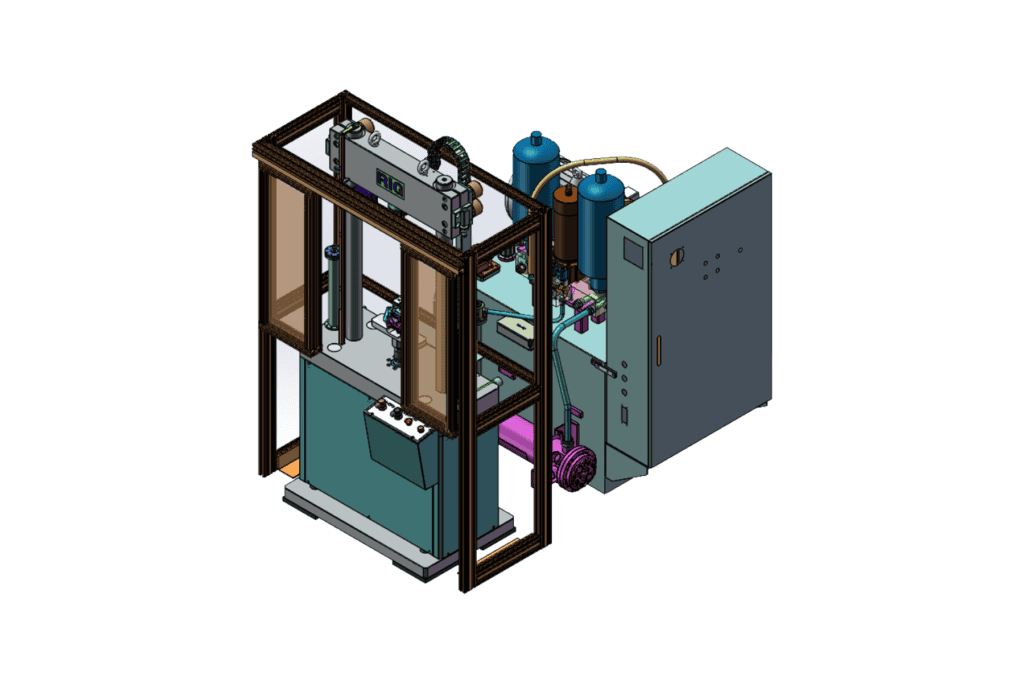
RIG-T213 Dynamic and Static Stiffness Testing Machine for Rubber Bushings
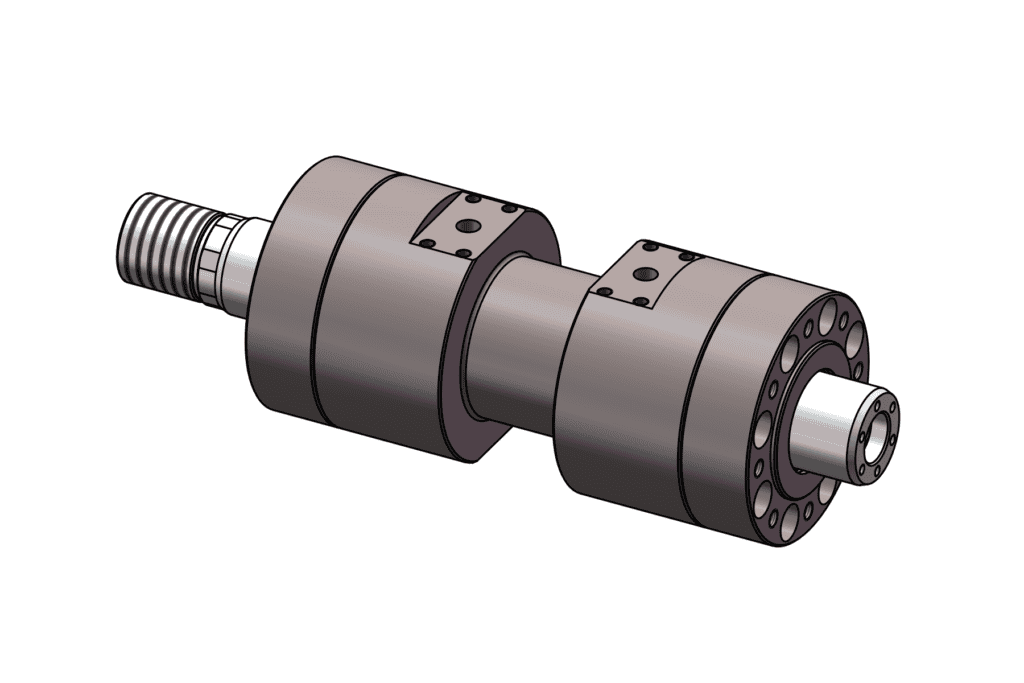
Hydrostatic Support Actuator | Precision Hydraulic Actuator for Press Systems
