
Automated Material Handling and Transport Systems: Enhancing Production Flow
Efficient material handling and transportation are critical for optimizing the flow of materials throughout a production line. RIG’s automated material handling systems are designed to move materials seamlessly, using advanced technologies like automated guided vehicles (AGVs) and conveyor systems, to ensure a smoother, faster, and more efficient production process.
These systems are an essential component in industries where precise material movement is required, from automotive manufacturing to electronics, pharmaceuticals, and logistics. By automating the movement of materials, manufacturers can reduce downtime, eliminate manual labor, and minimize the potential for errors, significantly improving overall operational efficiency.
Key Features of RIG’s Automated Material Handling Systems
RIG’s automated material handling and transport systems are built to optimize your production flow and ensure the right materials are delivered to the right locations on time. These systems incorporate the latest technologies and provide solutions for a wide range of industries. Below are the key features of our systems:
1. Automated Guided Vehicles (AGVs) for Efficient Transport
AGVs are a core part of RIG’s material handling solutions. These vehicles move materials across your production floor with minimal human intervention, increasing the speed and accuracy of material transport.
- Versatile Navigation: Our AGVs use advanced sensors and mapping technology to navigate production environments safely, ensuring accurate and efficient delivery of materials.
- Customizable Routes: AGVs can be configured to follow customized paths, allowing them to adapt to the unique layout of your production facility.
- Reduced Manual Labor: By automating material transport, AGVs help to reduce the need for human labor, enhancing overall safety and productivity.
2. Conveyor Systems for Smooth Material Flow
RIG’s conveyor systems work seamlessly with AGVs to provide continuous material handling. Our conveyor systems are modular and flexible, designed to transport materials with ease and reliability.
- Modular Design: Our conveyors are available in various configurations and can be easily customized to suit your specific production line.
- High Durability: Built with high-quality materials, RIG conveyors are designed for heavy-duty use, ensuring they can handle different types of materials with consistent performance.
- Speed Control: The speed of our conveyors can be adjusted to match the flow of your production process, ensuring smooth transitions between different stages of the assembly line.
3. Enhanced Integration with Other Automation Systems
RIG’s material handling systems are designed to integrate seamlessly with your assembly lines, robotic arms, and inspection systems, ensuring smooth and efficient workflows across all production stages.
- Full Integration with Robotics: Our systems can be paired with robotic arms for automated loading/unloading, enhancing precision and speed in handling materials.
- Real-Time Data Sharing: By integrating material handling with other systems, such as inventory management and quality control systems, you gain a unified platform for better decision-making and visibility.
4. Scalable Solutions for Growing Production Needs
Whether you are scaling your production line or adapting to new product demands, RIG’s material handling systems are built for flexibility and scalability.
- Easy Expansion: Our systems can grow with your business needs, allowing you to add additional modules or features as required.
- Adaptable to Different Production Demands: From heavy-duty parts to light components, our systems are capable of handling a diverse range of materials efficiently.
How to Choose the Right Automated Material Handling System for Your Production Line
Selecting the right material handling system is crucial for optimizing your production flow. Below are some key considerations when choosing the best system for your production line:
1. Material Type
Different types of materials require different handling methods. For example, fragile materials may need gentle handling, while heavy components may need sturdy, high-capacity transport systems.
- Heavy Materials: If you’re dealing with large, heavy components such as automotive chassis or industrial parts, our heavy-duty conveyors and AGVs can handle the load with ease.
- Delicate Materials: For more fragile materials, we recommend conveyor systems with precise speed control and AGVs equipped with protective mechanisms to avoid damage.
2. Load Capacity & Speed
Understanding the weight of the materials and the required speed for transportation will help you choose the optimal system. RIG’s systems offer varying load capacities and speeds, ensuring that you get the most suitable configuration for your needs.
- Load Capacity: Make sure to select a system that can handle the weight of your materials. RIG offers a range of solutions, from light-duty conveyors to heavy-duty AGVs.
- Speed: For high-volume production lines, choose systems that can transport materials at a higher speed to meet demanding production schedules.
3. Flexibility and Modularity
A modular system allows you to easily adapt your material handling to changing production demands. Whether you need to alter your production layout or introduce new parts, modular systems offer easy customization and expansion.
- Flexible System Configuration: RIG’s systems are designed to be modular, meaning they can be customized to fit your specific production line.
- Adaptability: If your production needs change over time, the modular design of RIG’s systems ensures easy adjustments and scalability to accommodate new workflows.
4. Integration with Other Systems
Seamless integration with other systems is crucial for optimizing your entire production process. Ensure that your material handling system is compatible with other automation technologies, such as assembly systems, robotic arms, and inspection systems.
- System Integration: Choose a system that integrates with your existing production line and automation equipment, including robotic arms for loading and unloading and quality control systems for real-time inspections.
- Software Integration: RIG’s material handling systems can be integrated with your inventory management and scheduling software to streamline operations.
Conclusion
RIG’s automated material handling systems provide efficient transport solutions that help streamline production and reduce bottlenecks. Whether you’re handling delicate materials or large, heavy components, our solutions are designed to optimize production flow, increase efficiency, and improve safety. With modular systems that can adapt to growing production needs and seamless integration with your existing automation systems, RIG’s material handling solutions are the perfect fit for modern manufacturing lines.
Explore RIG’s automated material handling solutions today to discover how our systems can enhance your production capabilities, reduce delays, and improve overall workflow efficiency.
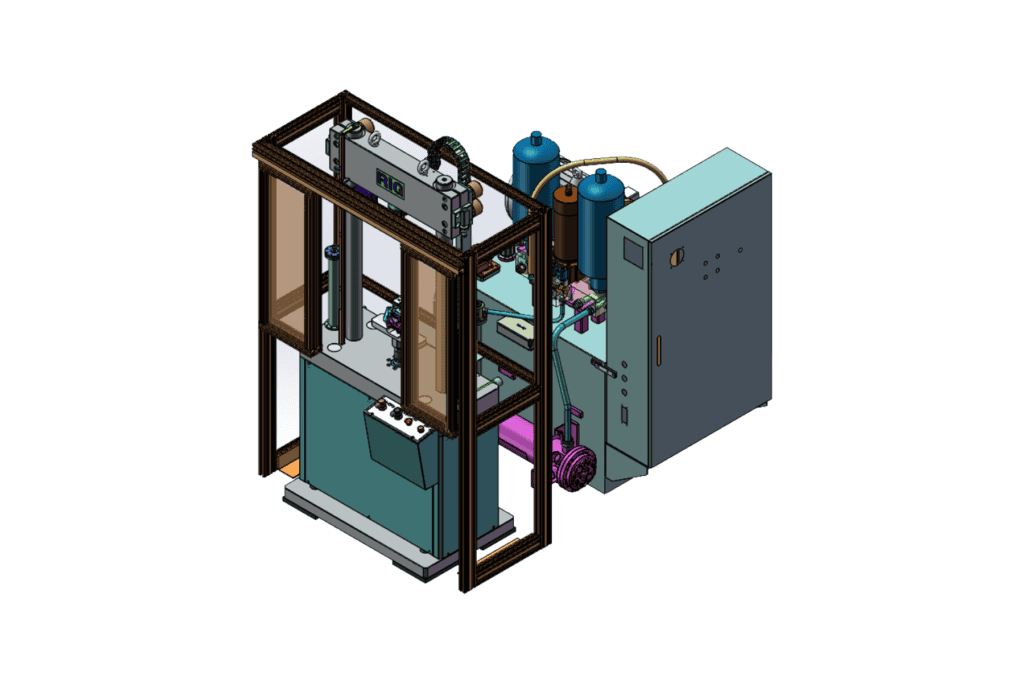
RIG-T213 Dynamic and Static Stiffness Testing Machine for Rubber Bushings
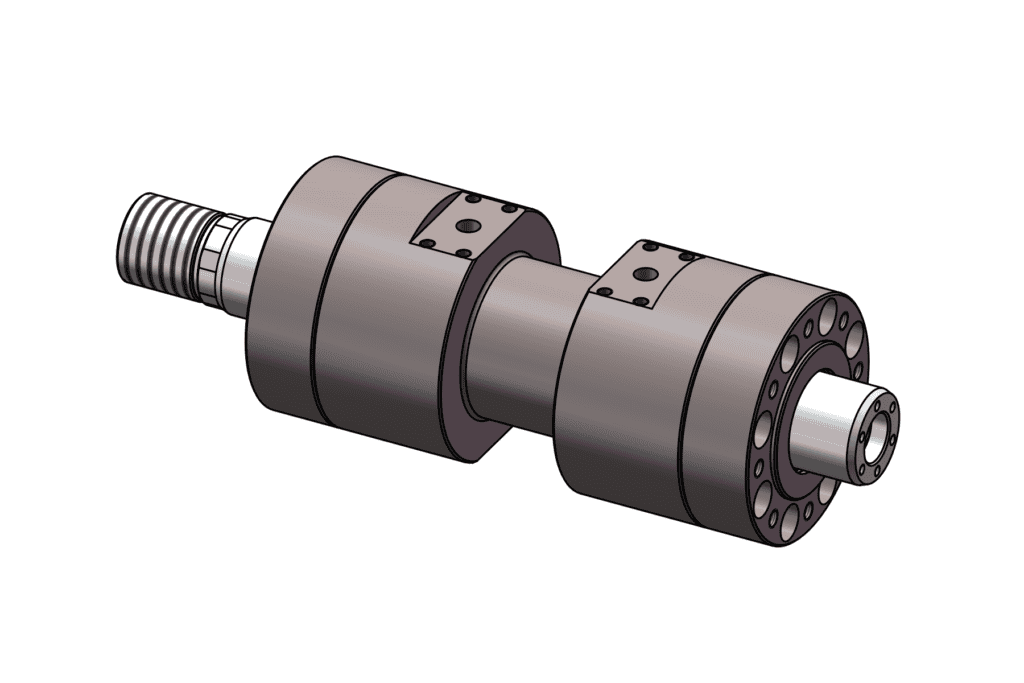
Hydrostatic Support Actuator | Precision Hydraulic Actuator for Press Systems
