
Automated Welding Systems for Strong, Precise Joints
In precision manufacturing, ensuring that your parts are joined with strength and accuracy is crucial. A robust automated welding system is essential to guarantee that your welded joints meet the highest quality and durability standards. Whether you require spot welding, arc welding, or laser welding, selecting the right welding system ensures that your production process is both efficient and precise.
Automated welding systems are designed to enhance the quality and speed of your manufacturing line, reducing manual errors, improving consistency, and increasing throughput. RIG Automation offers a range of custom welding solutions to fit your production needs, optimizing both the welding process and the integration with your existing automation systems.
Key Considerations for Your Welding System
Selecting the correct welding system requires careful evaluation of several factors to ensure it meets your production goals. Below are key considerations to help you make the right choice:
1. Welding Type
The type of welding required depends on the materials and the type of joints you are working with. Understanding whether you need spot welding, arc welding, or laser welding is crucial to ensuring that the system will perform optimally and meet your specific requirements.
- Spot Welding: Ideal for joining sheet metal parts, where the material is heated and joined through pressure. Commonly used in the automotive industry.
- Arc Welding: Suitable for thicker materials, providing higher penetration and strength. It is ideal for heavier-duty applications.
- Laser Welding: Perfect for precise, high-speed welding, often used in electronics or smaller parts with intricate geometries.
At RIG Automation, we offer custom welding solutions tailored to the needs of your production line, ensuring precision and quality in every weld.
2. Material Compatibility
The material compatibility of your welding system is crucial to ensure the welding process performs without issues. Whether you’re working with metal, composite materials, or plastics, the welding system must be compatible with the materials you use in production.
- Material Requirements: Ensure that your welding system is suitable for the materials’ specific properties, such as conductivity, thickness, and hardness.
- Multi-material Welding: Some systems are designed to weld a variety of materials, offering versatility in production lines that handle different product types.
RIG’s automated welding systems are compatible with a wide range of materials, ensuring that your system can handle the specific needs of your production line.
3. Precision & Speed
When selecting a welding system, balancing precision with speed is essential. A system that is too fast may sacrifice quality, while one that is too slow can reduce production efficiency. Finding the right system to balance these two factors ensures that you achieve both high weld quality and production speed.
- Precision: Choose a system that offers high precision for applications requiring tight tolerances and fine details.
- Speed: Opt for systems that maintain a fast welding rate without compromising the quality of the weld, ensuring maximum throughput.
RIG’s welding systems offer precision and speed that are tailored to your specific manufacturing needs, ensuring that your production lines run efficiently without sacrificing quality.
4. Automation Level
One of the key factors in selecting your welding system is determining the level of automation needed. Do you require robotic integration to handle welding tasks, or would a standalone system suffice for your needs?
- Robotic Integration: For a fully automated production line, robotic arms can integrate seamlessly with other systems such as conveyors or assembly lines, performing the welding task with precision and minimal human intervention.
- Standalone Systems: If you have a more limited scope of automation, standalone systems that require minimal integration can be a suitable choice.
At RIG, we specialize in fully integrated robotic welding systems that can seamlessly merge with your existing production systems, or we offer standalone welding solutions for more straightforward applications.
How to Choose the Right Welding System for Your Line
When selecting the right welding system for your production line, understanding your specific needs is crucial to ensuring that the system matches your manufacturing process. Below are a few additional factors to guide your decision:
1. Production Line Requirements
Consider whether your production line requires continuous or batch-based welding. Some welding systems are better suited to high-volume continuous operations, while others are designed for precise, smaller-batch welding tasks.
- Continuous Operations: For high-throughput, high-speed production lines, continuous welding systems are ideal.
- Batch Operations: If your production process requires flexibility and precision in smaller batches, batch-based systems may be the better choice.
2. Product Size & Weight
Consider the size and weight of the components that will be welded. Heavier components or larger workpieces may require more robust systems with greater power and capacity.
- Larger Components: A robotic arm with a larger payload capacity is required for welding larger, heavier parts.
- Smaller Parts: For small or lightweight components, a more compact and precise system may be appropriate.
RIG’s robotic arms and automated welding systems can be tailored to handle a wide range of sizes and weights, ensuring that your production line operates smoothly with minimal downtime.
3. Integration with Other Automation Systems
Welding systems often need to work seamlessly with other components of your production line, such as conveyors, robotic arms, or material handling systems. Ensuring compatibility between all systems is essential for a smooth, continuous production process.
- Automated Integration: Choosing a welding system that integrates with other automation systems allows for a fully streamlined workflow, reducing downtime and enhancing efficiency.
RIG’s welding systems can be fully integrated into your existing automation environment, ensuring smooth synchronization with all aspects of your production line.
Conclusion
Selecting the right automated welding system is essential for ensuring that your production processes meet the highest standards of strength, precision, and durability. At RIG Automation, we offer a wide range of customizable welding systems designed to meet your specific production needs. Whether you require spot welding, arc welding, or laser welding, our systems provide the precision, speed, and integration you need to optimize your manufacturing process.
Explore RIG’s automated welding solutions and discover how our tailored systems can improve the quality and efficiency of your production line.
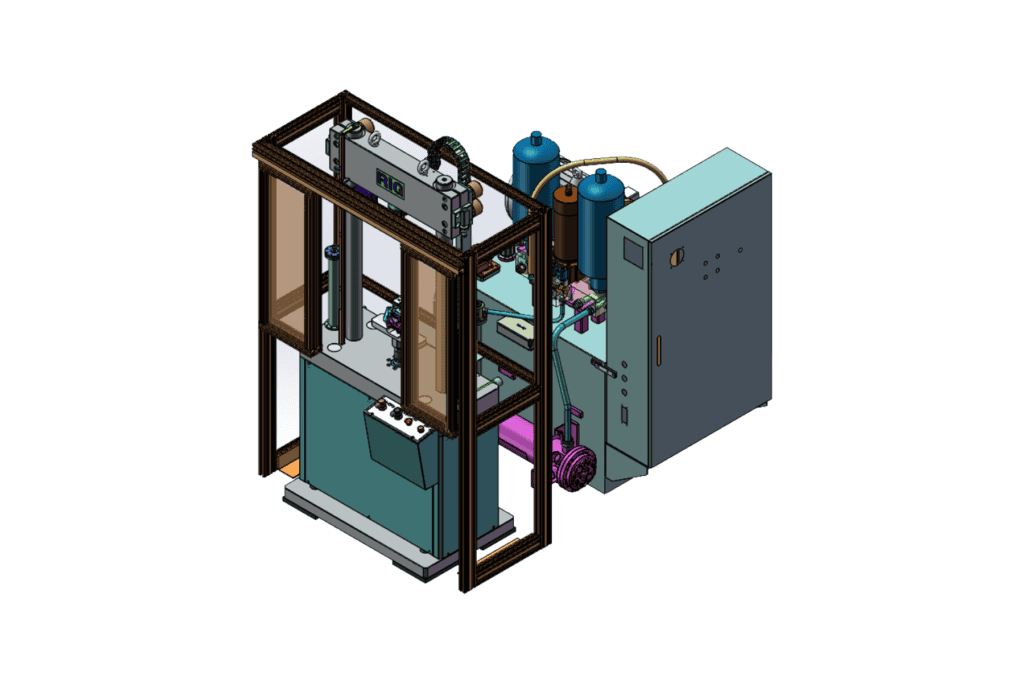
RIG-T213 Dynamic and Static Stiffness Testing Machine for Rubber Bushings
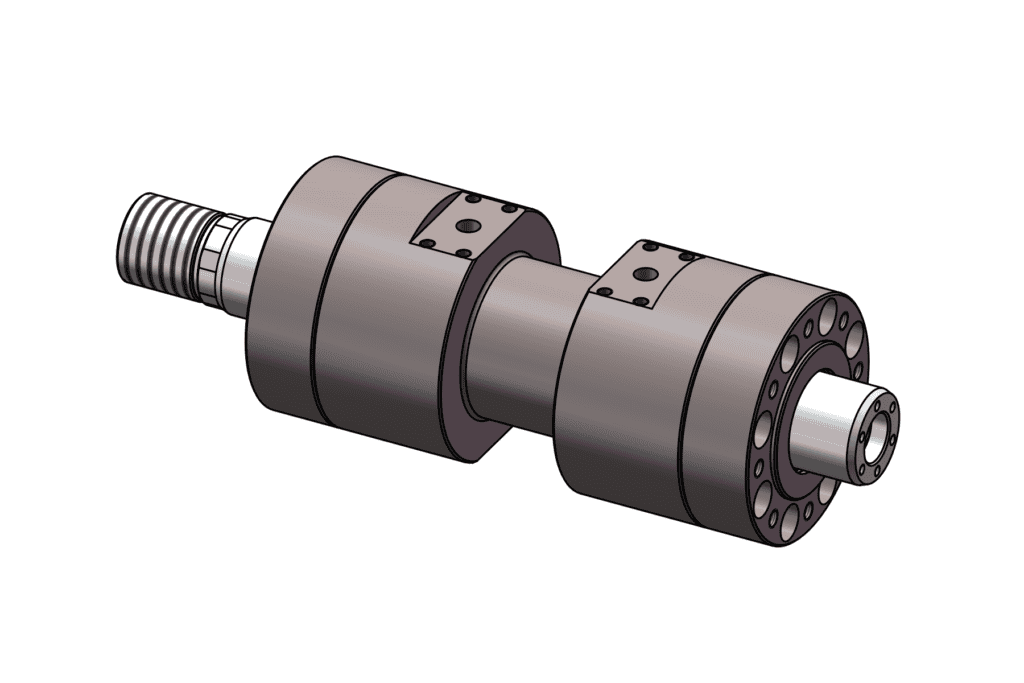
Hydrostatic Support Actuator | Precision Hydraulic Actuator for Press Systems
